
Disease patterns
Epilepsies
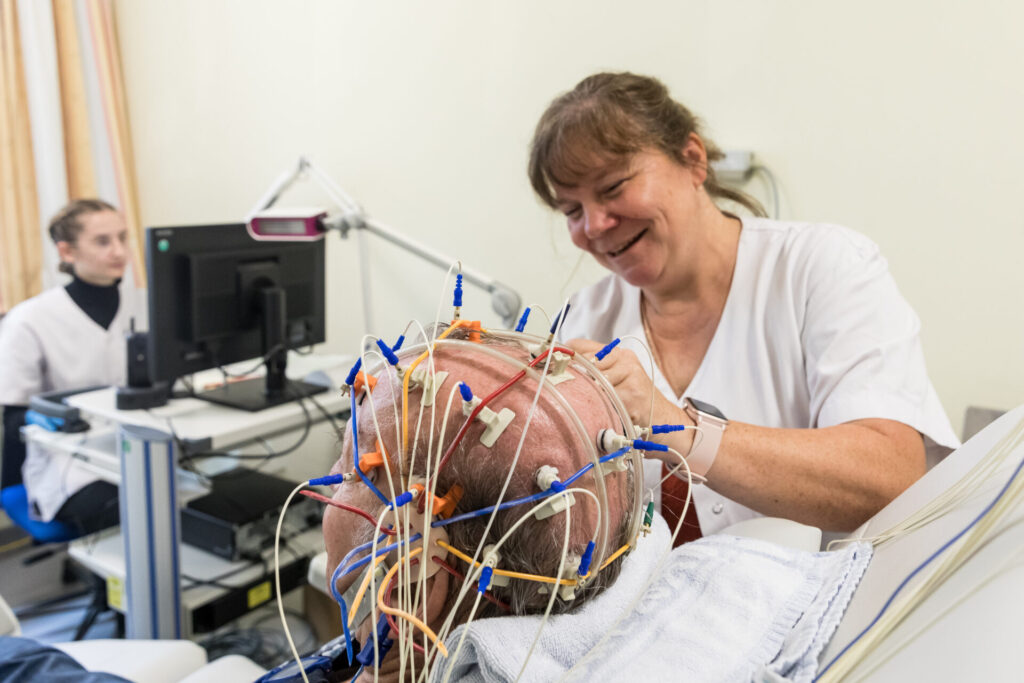
Epilepsies are the most common chronic diseases of the brain. They are characterised by repeated, unprovoked epileptic seizures. The probability of developing a form of epilepsy in the course of a lifetime is around 1 % - millions of people worldwide are affected. In Germany alone, more than 800,000 people live with epilepsy, and the trend is rising. A single seizure occurs in as many as 5% of the population in the course of a lifetime.
The causes of epilepsy vary greatly, ranging from genetic factors and metabolic disorders to structural brain damage as a result of a stroke, brain inflammation or trauma. However, all types of seizures are based on hyperexcitability at nerve cell level. In simple terms, this can be described as uncontrolled thunderstorm-like discharges of nerve cells, which manifest themselves clinically in the form of a wide variety of epileptic seizures. Depending on where these overactive nerve cells originate, seizures can take many different forms. From short, few seconds lasting moments of absence (e.g. Absences) to prolonged motor seizures with generalised motor activity of the entire body and a high risk of injury (so-called tonic-clonic seizures or grand mal seizures).
Parkinson's disease
In Germany, more than 500,000 people currently live with Parkinson's disease, which is characterised by slowly progressive impairment of gait, a decrease in mobility (initially mostly unilateral, depending on the form) and tremors in the arm (often also initially unilateral). The disease is often preceded by non-specific symptoms (olfactory disorders and digestive problems).
The diagnosis is essentially based on a detailed, targeted survey of the patient's medical history (with personal and external anamnesis) as well as a targeted clinical neurological and psychiatric examination.
Parkinson's disease is often characterised by motor impairments, with gait disorders, restrictions in general mobility (lack of movement, increased muscle tone), tremor (trembling at rest), balance disorders, excessive mobility or involuntary, uncontrolled movements.
However, this disease has many facets and other accompanying symptoms may also be prominent, such as depressive moods, memory disorders, orientation disorders, hallucinations and pain. Vegetative symptoms are also frequently observed, such as digestive disorders, sleep disorders, circulatory disorders, urination disorders, increased salivation, etc.
Specialised pain therapy
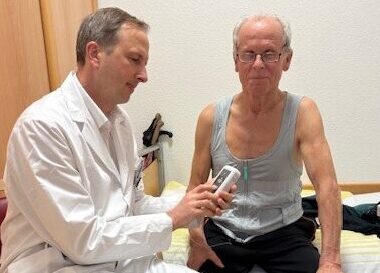
Specialised pain therapy includes the conservative (non-surgical) treatment of neurological treatment of chronic pain disorders with severe impairment of mobility, quality of life and everyday life/work ability, insufficient therapeutic success of outpatient therapy in the sense of multimodal pain therapy.
The focus is on spinal pain syndromes as well as acute and chronic head and facial pain syndromes.
In addition to a detailed medical history with an assessment of previous treatment strategies, including a detailed medication history, a targeted neurological, orthopaedic and internal physical examination as well as a detailed psychiatric and psychotherapeutic examination is carried out.
As part of the very comprehensive laboratory diagnostics, we clarify specific issues, e.g. inflammatory processes, rheumatological constellations and carry out regular checks of blood counts, liver and kidney values to accompany therapy.
Other diseases
With the exception of acute strokes and intensive care emergencies, we treat all other neurological conditions conservatively, such as
- Multiple sclerosis
- Acute inflammatory diseases of the nervous system caused by pathogens, such as.
Neuroborreliosis, shingles. - Polyneuropathies and restless legs syndromes, especially in connection with corresponding chronic pain syndromes.
- Diseases of nerves and muscles.
- Normal pressure hydrocephalus
- Various forms of dementia and memory disorders
- Myasthenia gravis and other autoimmune diseases.